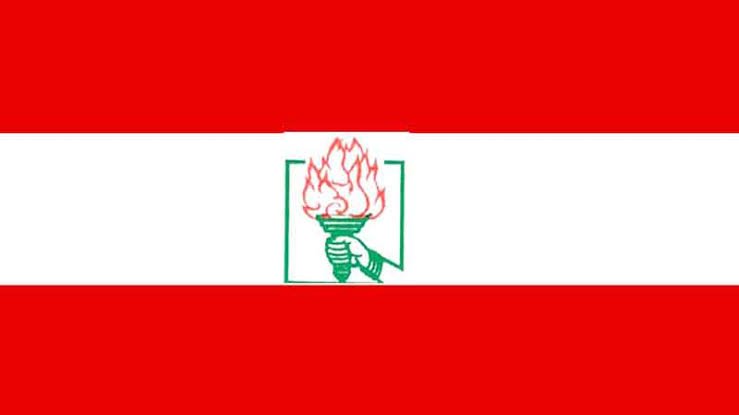
नेपाल महिला संघको इतिहास History of Nepal Women Association
वि.सं. २००४ देखिको हाम्रो गौरवशाली यात्रा Our glorious journey since 1947 AD (2004 BS)
नेपाल महिला संघको संक्षिप्त इतिहास तथा विकासक्रम
परिचय
नेपाल महिला संघ नेपाली कांग्रेसको ऐतिहासिक तथा ज्येष्ठ भ्रातृ/भगिनी संगठनका रूपमा नेपाली महिला आन्दोलन, लोकतन्त्र, सामाजिक न्याय र महिला अधिकारको क्षेत्रमा लामो समयदेखि सक्रिय रहँदै आएको संगठन हो। स्थापना कालदेखि नै यस संघले नेपाली महिलालाई राजनीतिक, सामाजिक तथा राष्ट्रिय मूलधारमा सहभागी गराउने, महिला अधिकारका लागि आवाज उठाउने र लोकतान्त्रिक आन्दोलनमा महिलाको सक्रिय सहभागिता सुनिश्चित गर्ने कार्य गर्दै आएको छ।
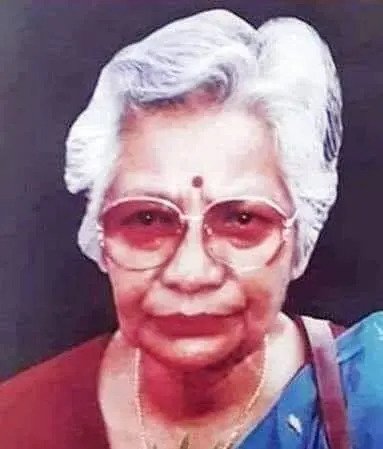
नेपालमा महिलाहरूलाई राजनीतिक तथा सामाजिक रूपमा संगठित गर्ने आवश्यकता महसुस हुँदै गएको अवस्थामा वि.सं. २००४ सालमा श्रद्धेय मङ्गलादेवी सिंहको नेतृत्वमा नेपाल महिला संघको स्थापना भएको मानिन्छ। संस्थापक नेतृत्वले महिलालाई घरभित्र सीमित राख्ने सामाजिक मान्यताविरुद्ध आवाज उठाउँदै महिला स्वतन्त्रता, समानता र राजनीतिक अधिकारका लागि संगठन निर्माण गरेको थियो।
स्थापना र प्रारम्भिक महिला आन्दोलन
नेपाल महिला संघको स्थापना तत्कालीन निरंकुश राणा शासनको समयमा भएको थियो। त्यस समयमा राजनीतिक अधिकार, अभिव्यक्ति स्वतन्त्रता तथा संगठन निर्माणको अधिकार सीमित थियो। यस्तो कठिन परिस्थितिमा महिलाहरूलाई संगठित गर्दै लोकतान्त्रिक चेतना फैलाउने कार्य चुनौतीपूर्ण थियो।
श्रद्धेय मङ्गलादेवी सिंहको नेतृत्वमा नेपाल महिला संघले महिला अधिकारलाई लोकतान्त्रिक आन्दोलनसँग जोड्दै अघि बढ्यो। महिलाको शिक्षा, सामाजिक समानता, राजनीतिक सहभागिता र नागरिक अधिकारका विषयलाई संघले आफ्नो आन्दोलनको महत्वपूर्ण हिस्सा बनायो।
नेपालको प्रजातान्त्रिक आन्दोलनमा दिव्या देवी कोइराला, मङ्गलादेवी सिंह, योगमाया न्यौपाने, द्वारिकादेवी चन्द ठकुरानी, नोना कोइराला, शैलजा आचार्य लगायतका महिला नेतृ तथा प्रजातन्त्रका योद्धाहरूको योगदान उल्लेखनीय रह्यो। उनीहरूको संघर्ष, त्याग र समर्पणले नेपालमा महिला राजनीतिक चेतनाको विकासमा महत्वपूर्ण भूमिका खेल्यो।
२००७ सालको प्रजातान्त्रिक आन्दोलन
वि.सं. २००७ सालको ऐतिहासिक प्रजातान्त्रिक आन्दोलनमा नेपाल महिला संघले पनि सक्रिय सहभागिता जनायो। महिलाहरूलाई आन्दोलनमा सहभागी गराउने, जनचेतना अभिवृद्धि गर्ने तथा प्रजातन्त्रका पक्षमा जनमत निर्माण गर्ने कार्यमा संघका महिला कार्यकर्ताहरू सक्रिय रहे।
प्रजातन्त्र प्राप्तिपछि पनि महिला अधिकारको प्रश्न समाप्त भएन। राजनीतिक परिवर्तनसँगै महिलालाई राज्यका विभिन्न तहमा समान अवसर र प्रतिनिधित्व दिलाउने उद्देश्यले संघले आफ्नो संगठनात्मक गतिविधिलाई निरन्तरता दियो।
२०१७ सालपछि लोकतान्त्रिक संघर्ष
वि.सं. २०१७ सालमा लोकतान्त्रिक व्यवस्था समाप्त भएपछि नेपालमा पुनः राजनीतिक अधिकारमाथि प्रतिबन्ध लगाइयो। नेपाली कांग्रेससँगै नेपाल महिला संघका गतिविधिहरू पनि कठिन अवस्थामा पुगे। लामो समयसम्म राजनीतिक प्रतिबन्ध र दमनका बीच पनि लोकतन्त्र तथा महिला अधिकारका लागि संघर्षको भावना कायम रह्यो।
नेपाल महिला संघका महिला कार्यकर्ताहरूले लोकतन्त्र पुनर्स्थापनाको आन्दोलनमा विभिन्न रूपमा सहभागिता जनाउँदै आए। संगठनले महिला अधिकारलाई लोकतान्त्रिक संघर्षकै अभिन्न अंगका रूपमा स्थापित गर्ने प्रयास जारी राख्यो।
२०४६ सालको जनआन्दोलन र पुनर्गठन
वि.सं. २०४६ सालको ऐतिहासिक जनआन्दोलन सफल भएपछि राजनीतिक दलमाथिको प्रतिबन्ध हट्यो र नेपालमा बहुदलीय प्रजातान्त्रिक व्यवस्था पुनर्स्थापित भयो। त्यसपछि नेपाल महिला संघलाई पुनः सक्रिय र व्यवस्थित रूपमा अगाडि बढाउने प्रक्रिया सुरु भयो।
वि.सं. २०४७ साल जेठमा श्रद्धेय मङ्गलादेवी सिंहको अध्यक्षतामा १९ सदस्यीय केन्द्रीय समिति गठन भयो। यस पुनर्गठनले लोकतान्त्रिक वातावरणमा नेपाल महिला संघलाई नयाँ ऊर्जा र संगठनात्मक आधार प्रदान गर्यो।
मङ्गलादेवी सिंहपछि कान्ता सिंह मानन्धरको नेतृत्व
वि.सं. २०५३ सालमा श्रद्धेय मङ्गलादेवी सिंहको निधन भएपछि नेपाल महिला संघले आफ्नो ऐतिहासिक नेतृत्वको अभाव महसुस गर्यो। त्यसपछि वि.सं. २०५३ भदौ १५ गते आदरणीय कान्ता सिंह मानन्धरको अध्यक्षतामा नेपाल महिला संघको दोस्रो केन्द्रीय तदर्थ समिति गठन भयो।
कान्ता सिंह मानन्धरको नेतृत्वमा संघले संगठनलाई निरन्तरता दिँदै महिला अधिकार, लोकतान्त्रिक मूल्य–मान्यता र राजनीतिक सहभागिताका विषयलाई अघि बढायो।
मिना पाण्डेको नेतृत्व र पहिलो राष्ट्रिय महाधिवेशनको तयारी
वि.सं. २०५७ साल जेठ ८ गते नेपाल महिला संघको महाधिवेशन सम्पन्न गर्ने उद्देश्यले आदरणीय मिना पाण्डेको अध्यक्षतामा ३० सदस्यीय केन्द्रीय तदर्थ समिति गठन गरियो। यस समितिले लामो समयदेखि हुन नसकेको राष्ट्रिय महाधिवेशनको तयारीलाई अगाडि बढायो।
यसै प्रक्रियाको परिणामस्वरूप वि.सं. २०५८ सालमा विराटनगरमा १७, १८ र १९ गते पहिलो राष्ट्रिय महाधिवेशन सम्पन्न भयो। उक्त महाधिवेशन नेपाल महिला संघको संगठनात्मक इतिहासमा महत्वपूर्ण मोडका रूपमा स्थापित भयो।
पहिलो राष्ट्रिय महाधिवेशनले उमा रेग्मीलाई नेपाल महिला संघको प्रथम निर्वाचित अध्यक्ष बनाउँदै २६ सदस्यीय केन्द्रीय कार्यसमिति गठन गर्यो। यसले संघलाई तदर्थ संरचनाबाट निर्वाचित नेतृत्व र संस्थागत प्रक्रियातर्फ अघि बढाउने महत्वपूर्ण आधार तयार गर्यो।
नेपाली कांग्रेसको विभाजन र संगठनात्मक पुनर्संरचना
वि.सं. २०५९ साल असार ५ गते नेपाली कांग्रेस विभाजित भएपछि त्यसको प्रभाव नेपाल महिला संघमा पनि पर्न गयो। त्यसपछि वि.सं. २०५९ भदौमा मिना पाण्डेको अध्यक्षतामा ३२ सदस्यीय कार्यसमिति गठन गरियो।
राजनीतिक विभाजनका कारण उत्पन्न चुनौतीका बाबजुद नेपाल महिला संघले महिला अधिकार, लोकतन्त्र र संगठन निर्माणको आफ्नो मूल उद्देश्यलाई निरन्तरता दियो।
दोस्रो राष्ट्रिय महाधिवेशन र अमृता बस्नेतको नेतृत्व
वि.सं. २०६४ साल वैशाख २७, २८ र २९ गते नेपाली कांग्रेसको केन्द्रीय कार्यालय, सानेपा, ललितपुरमा नेपाल महिला संघको दोस्रो महाधिवेशन सम्पन्न भयो।
उक्त महाधिवेशनबाट आदरणीय अमृता बस्नेत अध्यक्षमा निर्वाचित हुनुभयो र ३५ सदस्यीय केन्द्रीय कार्यसमिति गठन भयो। दोस्रो महाधिवेशनले संघको संगठन विस्तार, महिला सहभागिता, लोकतान्त्रिक मूल्यको संरक्षण र महिलाका राजनीतिक अधिकारलाई थप संस्थागत गर्ने दिशामा महत्वपूर्ण योगदान पुर्यायो।
नेपाली कांग्रेस एकीकरण र नेपाल महिला संघको समायोजन
वि.सं. २०६४ साल असोज ८ गते नेपाली कांग्रेसको संयुक्त विशेष महासमिति बैठकबाट नेपाली कांग्रेसको एकीकरण सम्पन्न भयो। पार्टी एकीकरणपछि नेपाल महिला संघलाई पनि पार्टीको नयाँ संगठनात्मक संरचनामा समायोजन गरियो।
समायोजनको क्रममा उमा रेग्मीलाई नेपाल महिला संघको अध्यक्षको जिम्मेवारी दिइयो र संघको ७० सदस्यीय केन्द्रीय कार्यसमिति कायम भयो। यसले संगठनलाई नयाँ राजनीतिक परिस्थितिअनुकूल पुनर्संरचना गर्ने अवसर प्रदान गर्यो।
डा. डिला संग्रौलाको नेतृत्व र तेस्रो महाधिवेशनको तयारी
वि.सं. २०६९ सालमा डा. डिला संग्रौलाको अध्यक्षतामा ४५ सदस्यीय केन्द्रीय तदर्थ समिति गठन गरियो। उक्त समितिलाई नेपाल महिला संघको अर्को राष्ट्रिय महाधिवेशन सम्पन्न गर्ने महत्वपूर्ण जिम्मेवारी दिइयो।
यस अवधिमा संघले संगठन विस्तार, महिला राजनीतिक सहभागिता, नेतृत्व विकास तथा महिलाको संवैधानिक अधिकारका विषयलाई प्राथमिकतामा राख्दै महाधिवेशनको तयारी अघि बढायो।
तेस्रो राष्ट्रिय महाधिवेशन
लामो समयको अन्तरालपछि नेपाल महिला संघको तेस्रो राष्ट्रिय महाधिवेशन वि.सं. २०७३ भदौ २९ गतेदेखि भदौ ३१ गतेसम्म भव्यताका साथ सम्पन्न भयो। मुलुक नयाँ संविधान कार्यान्वयनको चरणमा रहेको, राजनीतिक संक्रमणको अवस्था कायम रहेको तथा देशको समृद्धि र विकासबारे व्यापक बहस भइरहेको समयमा सम्पन्न भएको यो महाधिवेशन ऐतिहासिक र महत्वपूर्ण रह्यो।
महाधिवेशनले नेपाल महिला संघलाई अझ लोकतान्त्रिक, समावेशी, उत्तरदायी र संगठनात्मक रूपमा सुदृढ बनाउने आवश्यकता औंल्यायो। सामूहिक नेतृत्व, लोकतान्त्रिक मूल्य–मान्यता, विधानको सर्वोच्चता र विगतका कमी–कमजोरीबाट पाठ सिक्दै संगठनलाई अगाडि बढाउने प्रतिबद्धता व्यक्त गरियो।
तेस्रो महाधिवेशनले महिलाको राज्यका विभिन्न तहमा अर्थपूर्ण प्रतिनिधित्वको विषयलाई पनि प्राथमिकताका साथ उठायो। स्थानीय तहमा ५० प्रतिशत, प्रदेशमा ४० प्रतिशत र केन्द्रमा ३३ प्रतिशत महिला प्रतिनिधित्व हुनुपर्ने मागका साथै नेपाली कांग्रेसका सबै तहका संगठनमा पदाधिकारीसहित कम्तीमा ३३ प्रतिशत महिला प्रतिनिधित्व सुनिश्चित गर्नुपर्ने विषयलाई जोडदार रूपमा प्रस्तुत गरियो।
लोकतान्त्रिक आन्दोलनमा नेपाल महिला संघको योगदान
नेपाल महिला संघको इतिहास केवल एउटा संगठनको इतिहास मात्र होइन; यो नेपालको लोकतान्त्रिक आन्दोलन र महिला अधिकार आन्दोलनसँग जोडिएको इतिहास हो। संघले नेपाली कांग्रेससँग काँधमा काँध मिलाउँदै विभिन्न लोकतान्त्रिक आन्दोलनमा सहभागिता जनाएको छ।
शान्तिपूर्ण आन्दोलन, सत्याग्रह, जनआन्दोलन, निर्वाचन, जनमतसंग्रह तथा राष्ट्रिय मेलमिलापको अभियानलगायतका लोकतान्त्रिक प्रक्रियामा महिला सहभागिता बढाउन संघले भूमिका निर्वाह गरेको छ।
नेपालको लोकतान्त्रिक विकासक्रमसँगै लोकतान्त्रिक समाजवाद, गणतन्त्र, संघीयता, समावेशिता, समानुपातिक प्रतिनिधित्व तथा महिला अधिकारका विषयहरूलाई संस्थागत गर्न पनि नेपाल महिला संघले आफ्नो भूमिका निर्वाह गर्दै आएको छ।
महिला अधिकार र राजनीतिक प्रतिनिधित्व
नेपाल महिला संघको प्रमुख उद्देश्य नेपाली महिलालाई राजनीतिक, सामाजिक, आर्थिक तथा राष्ट्रिय जीवनका सबै क्षेत्रमा समान अवसर र अधिकार दिलाउनु हो। संघले महिलाको राजनीतिक सहभागिता केवल संख्यात्मक उपस्थितिमा सीमित नभई निर्णय निर्माणको तहमा अर्थपूर्ण सहभागिता हुनुपर्ने विषयलाई निरन्तर उठाउँदै आएको छ।
महिलाको शिक्षा, स्वास्थ्य, रोजगारी, आर्थिक आत्मनिर्भरता, सम्पत्तिमा अधिकार, राजनीतिक प्रतिनिधित्व, सामाजिक सुरक्षा, हिंसामुक्त जीवन तथा समान अवसरका विषय संघका निरन्तर सरोकारका विषय हुन्।
संगठनात्मक विकास र आगामी जिम्मेवारी
नेपाल महिला संघले आफ्नो लामो यात्रामा अनेकौं राजनीतिक उतारचढाव, चुनौती, संगठनात्मक कमजोरी तथा आन्तरिक कठिनाइहरू पार गर्दै आएको छ। स्थापना भएको दशकौँपछि पनि संघको मूल उद्देश्य र लोकतान्त्रिक प्रतिबद्धता कायम रहनु यसको महत्वपूर्ण उपलब्धि हो।
६९ वर्षको यात्राले नेपाल महिला संघलाई परिपक्व, अनुभवी र ऐतिहासिक संगठनका रूपमा स्थापित गरेको छ। तर समय परिवर्तनशील छ। स्थापना कालमा उपयुक्त ठानिएका नीति, कार्यक्रम र संगठनात्मक अभ्यासलाई वर्तमान सामाजिक, राजनीतिक, आर्थिक तथा प्रविधिको परिवेशअनुसार परिमार्जन गर्दै लैजानु आजको आवश्यकता हो।
२१औँ शताब्दीका नेपाली महिलाका आवश्यकता र आकांक्षा फरक छन्। त्यसैले महिला संघले नयाँ पुस्ताका महिलालाई संगठनमा आकर्षित गर्ने, नेतृत्व विकास गर्ने, प्रविधि र डिजिटल माध्यमको प्रभावकारी प्रयोग गर्ने, आर्थिक सशक्तीकरणलाई प्राथमिकता दिने तथा महिलाको निर्णयकारी भूमिकालाई अझ मजबुत बनाउने दिशामा अघि बढ्न आवश्यक छ।
निष्कर्ष
नेपाल महिला संघले अनेकौं राजनीतिक आँधीबेहरी, संघर्ष र चुनौती पार गर्दै लामो ऐतिहासिक यात्रा तय गरेको छ। यसको इतिहासमा त्याग, तपस्या, संघर्ष, बलिदान र लोकतन्त्रप्रतिको अटुट प्रतिबद्धता जोडिएको छ।
संस्थापक अध्यक्ष मङ्गलादेवी सिंहदेखि विभिन्न कालखण्डमा नेतृत्व प्रदान गर्ने कान्ता सिंह मानन्धर, मिना पाण्डे, उमा रेग्मी, अमृता बस्नेत, डा. डिला संग्रौला लगायतका नेतृत्व तथा हजारौँ महिला कार्यकर्ताको योगदानले नेपाल महिला संघलाई आजको अवस्थामा पुर्याएको हो।
नेपाल महिला संघको शक्ति यसको इतिहास मात्र होइन, यसको निरन्तर परिवर्तनशीलता, लोकतान्त्रिक प्रतिबद्धता र नेपाली महिलाप्रतिको उत्तरदायित्वमा निहित छ। विगतका उपलब्धिबाट प्रेरणा लिँदै वर्तमानका चुनौती सामना गर्नु र भविष्यका पुस्ताका महिलालाई अझ सक्षम, स्वतन्त्र र निर्णयकारी बनाउनु संघको आगामी जिम्मेवारी हो।
लोकतन्त्र, महिला अधिकार, समानता, सामाजिक न्याय र समावेशी विकासका लागि नेपाल महिला संघको भूमिका आगामी दिनमा अझ सशक्त र प्रभावकारी बन्न आवश्यक छ। संस्थापक नेतृत्वले देखाएको बाटो, लोकतान्त्रिक मूल्य–मान्यता र महिलाको समान अधिकारको मूल उद्देश्यलाई आत्मसात् गर्दै नेपाल महिला संघले राष्ट्र निर्माणको अभियानमा अझ प्रभावकारी योगदान पुर्याउन सक्नेछ।
जय नेपाल।
History of Nepal Women Association
Introduction
The Nepal Women Association (Nepal Mahila Sangh) is one of the oldest and most historic sister organizations of the Nepali Congress. Since its establishment, the organization has played an important role in Nepal’s democratic movement, women’s rights movement, social transformation, political participation, and the struggle for equality and inclusion.
The history of the Nepal Women Association is closely connected with the history of Nepal’s democratic movement. For decades, Nepali women have participated in political struggles, social campaigns, democratic movements, elections, peaceful protests, and movements for constitutional and political rights through the organization.
The Association has passed through numerous political challenges, organizational transitions, and periods of uncertainty. Despite these difficulties, it has remained committed to democratic values, women’s empowerment, social justice, equality, inclusion, and the principles of democratic socialism.
Establishment of Nepal Women Association
The Nepal Women Association was established in B.S. 2004 (1947 A.D.) under the leadership of its founding president, the late Mangaladevi Singh. Its establishment marked an important milestone in the history of Nepal’s women’s movement.
At that time, Nepal was under the Rana regime, and political freedom, freedom of expression, and the right to organize were severely restricted. Women were largely excluded from political and public life. In such a difficult environment, Mangaladevi Singh and other pioneering women organized women and raised their voices for democracy, freedom, equality, education, and political rights.
The Association gradually became a platform through which Nepali women could participate in the democratic movement and advocate for their rights.
Early Women’s Movement and Democratic Struggle
The early leaders of the Nepal Women Association recognized that women's rights could not be separated from the broader struggle for democracy. Therefore, the Association worked to increase political awareness among women and encourage them to participate in the movement for democratic change.
The contributions of women leaders and democratic fighters such as Divya Devi Koirala, Mangaladevi Singh, Yogmaya Neupane, Dwarikadevi Chand Thakurani, Nona Koirala, Shailaja Acharya, and many other women activists became important chapters in Nepal's democratic history.
Their sacrifices, dedication, courage, and commitment helped create a foundation for women's political participation in Nepal.
Role in the 1951 Democratic Revolution
The democratic revolution of B.S. 2007 (1951 A.D.) was a major turning point in Nepal's political history. The Nepal Women Association actively participated in the democratic movement and helped mobilize women in support of political change.
Women activists participated in awareness campaigns, political mobilization, protests, and other activities associated with the struggle against the Rana regime.
The restoration of democracy created new opportunities, but the struggle for women's equality and meaningful political participation continued. The Nepal Women Association therefore continued its organizational activities and advocacy for women's rights.
The Period After 1960
In B.S. 2017 (1960 A.D.), Nepal's democratic system was dismantled and political parties were banned. The democratic movement again entered a difficult period.
The activities of the Nepal Women Association were affected by the political restrictions. Nevertheless, its commitment to democracy and women's rights remained intact. Women associated with the democratic movement continued to contribute to the broader struggle for restoration of democracy.
During this period, the Association remained connected with the democratic movement led by the Nepali Congress and continued to represent women's voices within that movement.
Restoration of Democracy and Reorganization in 1990
The success of the B.S. 2046 (1990 A.D.) People's Movement restored multiparty democracy in Nepal and lifted the ban on political parties.
Following the restoration of democracy, the Nepal Women Association was reorganized to strengthen its institutional structure.
In B.S. 2047 (1990 A.D.), in the month of Jestha, a 19-member Central Committee was formed under the leadership of founding president Mangaladevi Singh.
This reorganization provided a new foundation for the Association to operate openly and systematically within the democratic political environment.
Leadership of Kanta Singh Manandhar
Following the death of the revered founding president Mangaladevi Singh in B.S. 2053 (1996 A.D.), the Nepal Women Association entered another important phase of organizational development.
On B.S. 2053 Bhadra 15, Kanta Singh Manandhar became the president of the second Central Ad Hoc Committee of the Nepal Women Association.
Under her leadership, the organization continued its efforts to strengthen women's participation in democratic politics and maintain the institutional legacy established by Mangaladevi Singh.
Leadership of Meena Pandey and Preparation for the First National Convention
On B.S. 2057 Jestha 8, a 30-member Central Ad Hoc Committee under the leadership of Meena Pandey was formed with the responsibility of preparing and conducting the Association's national convention.
This was an important step toward institutionalizing the organization through an elected leadership structure and strengthening its national organization.
First National Convention – Biratnagar
The First National Convention of the Nepal Women Association was successfully held in Biratnagar on B.S. 2058, Jestha 17, 18 and 19.
The convention was a landmark event in the organizational history of the Association. It elected Uma Regmi as the first elected president of the Nepal Women Association and formed a 26-member Central Working Committee.
The convention strengthened the democratic and institutional character of the organization and provided a new direction for its future activities.
Political Division of the Nepali Congress
On B.S. 2059 Ashad 5, the Nepali Congress experienced a political split. The division also affected the organizational structure of the Nepal Women Association.
In B.S. 2059 Bhadra, a 32-member Central Working Committee under the leadership of Meena Pandey was formed.
Despite the political challenges created by the division, the Association continued its commitment to democracy, women's rights, political participation, and organizational development.
Second National Convention and Leadership of Amrita Basnet
The Second National Convention of the Nepal Women Association was held on B.S. 2064 Baisakh 27, 28 and 29 at the Central Office of the Nepali Congress in Sanepa, Lalitpur.
The convention elected Amrita Basnet as President and formed a 35-member Central Working Committee.
The Second National Convention was significant in strengthening the organizational structure of the Association and advancing issues related to women's political participation, equality, representation, and democratic values.
Merger of the Nepali Congress and Organizational Integration
On B.S. 2064 Ashwin 8, the Nepali Congress was reunified through a joint Special General Convention/General Committee meeting.
Following the reunification of the Nepali Congress, the Nepal Women Association was also reorganized and integrated into the new party structure.
As part of this organizational adjustment, Uma Regmi was designated as President of the Nepal Women Association, and the Central Committee expanded to 70 members.
This period marked another important transition in the institutional development of the Association.
Leadership of Dr. Dila Sangroula
In B.S. 2069, a 45-member Central Ad Hoc Committee under the leadership of Dr. Dila Sangroula was formed.
The committee was entrusted with the responsibility of preparing for and conducting the next national convention of the Nepal Women Association.
During this period, the organization focused on strengthening its national network, increasing women's political participation, developing women leaders, and preparing the organization for its next major national convention.
Third National Convention
The Third National Convention of the Nepal Women Association was held from B.S. 2073 Bhadra 29 to Bhadra 31.
The convention took place at an important moment in Nepal's political history. The country was in a transitional phase following the promulgation of the new Constitution, and there was widespread public concern about constitutional implementation, political stability, development, prosperity, and national consensus.
Despite these challenges, the convention was successfully completed through the collective efforts of the Central Ad Hoc Committee, leaders, delegates, activists, supporters, and women across the country.
The convention emphasized collective leadership, democratic values, institutional discipline, respect for the organization's constitution, and the need to avoid past weaknesses and organizational shortcomings.
It also emphasized the need to make the organization more responsive to the changing needs of Nepali women and the nation.
Women's Representation in State Structures
One of the important issues raised by the Third National Convention was the meaningful representation of women in every level and structure of the state.
The Association strongly advocated for:
- 50 percent women's representation at the local level
- 40 percent women's representation at the provincial level
- 33 percent women's representation at the federal/central level
- At least 33 percent women's representation, including office-bearers, at every level of the Nepali Congress
The Association emphasized that women's participation should not merely be symbolic or numerical. Women must have meaningful representation in decision-making processes and leadership positions.
Role in Nepal's Democratic Movement
The history of the Nepal Women Association is inseparable from Nepal's democratic movement.
The organization has stood alongside the Nepali Congress during different phases of Nepal's political struggle, including:
- The struggle against the Rana regime
- The democratic movement of 1951
- The struggle against authoritarian rule
- The People's Movement of 1990
- Democratic movements after 1990
- Peaceful protests and political campaigns
- Elections and democratic processes
- The movement for constitutional rights
- The establishment of a federal democratic republic
- The promotion of inclusion and proportional representation
Through these struggles, the Association has contributed to strengthening women's participation in Nepal's political and democratic transformation.
Contribution to Women's Rights
The Nepal Women Association has consistently advocated for women's political, social, economic, and constitutional rights.
Its areas of concern include:
- Equal political participation
- Women's representation in decision-making bodies
- Access to education
- Economic empowerment
- Employment opportunities
- Women's health and social security
- Protection from violence and discrimination
- Equal rights to property and economic resources
- Leadership development
- Meaningful participation in state institutions
The organization has sought to ensure that women are not merely beneficiaries of development but active participants and leaders in the development process.
Commitment to Democratic Socialism, Inclusion and Federalism
The Nepal Women Association has historically supported the democratic principles associated with the Nepali Congress.
The organization has participated in the struggle for democracy, democratic socialism, republicanism, federalism, inclusion, proportional representation, social justice, and equal political rights.
Its political journey demonstrates that women's empowerment and democratic development are interconnected. A democracy cannot be fully meaningful without the equal participation of women in political, social, economic, and state institutions.
A Legacy of Sacrifice and Leadership
The history of the Nepal Women Association is built upon the sacrifices and dedication of generations of women.
From founding president Mangaladevi Singh to leaders such as Kanta Singh Manandhar, Meena Pandey, Uma Regmi, Amrita Basnet, Dr. Dila Sangroula, and countless other women leaders and activists, each generation has contributed to the continuity and development of the organization.
Their contributions have helped transform women's participation from a limited political presence into an increasingly important force in Nepal's democratic process.
The Need for Organizational Transformation
The long history of the Nepal Women Association also demonstrates the importance of continuous organizational reform.
The social and political realities of Nepal have changed significantly since the Association was established. Issues that were considered priorities several decades ago must now be reviewed according to the realities of the 21st century.
The Association must therefore continue to:
- Encourage young women to participate in politics
- Develop new generations of women leaders
- Strengthen organizational discipline and democratic practices
- Expand women's economic empowerment
- Promote digital literacy and technology
- Address contemporary social challenges
- Strengthen women's representation in decision-making
- Build an inclusive and accountable organization
- Review and update policies according to changing national needs
- Increase meaningful participation of women from all communities and regions
69 Years of Journey
The journey of the Nepal Women Association over 69 years is not merely a measurement of organizational age. It represents decades of struggle, sacrifice, political transformation, leadership, organizational development, and commitment to democratic values.
The Association has experienced political restrictions, organizational challenges, internal weaknesses, political divisions, leadership transitions, and changing national circumstances. Yet it has continued to survive and evolve.
Its greatest strength lies in its historic identity, democratic commitment, organizational experience, and connection with generations of Nepali women.
Future Direction
The Nepal Women Association must now look toward the future while preserving the values and legacy of its founders.
The organization should work toward creating a new generation of capable, educated, independent, technologically competent, and socially responsible women leaders.
It should also ensure that women from different communities, geographical regions, social backgrounds, and generations have equal opportunities to participate in organizational and political leadership.
The Association must remain open to constructive change while protecting its fundamental democratic values.
Conclusion
The Nepal Women Association has travelled through numerous political storms and challenges to establish itself as one of Nepal's oldest and most historic women's political organizations.
Its history is a story of democracy, women's rights, sacrifice, struggle, leadership, inclusion, and political transformation.
The contributions of Mangaladevi Singh and generations of women leaders and activists have created a strong foundation upon which the organization continues to build.
As Nepal enters a new era of democratic federalism and social transformation, the Nepal Women Association has an important responsibility to strengthen women's participation in every level of society and government.
The future of the organization depends on its ability to preserve its historic principles while adapting to the needs of 21st-century Nepali women.
By combining its historic legacy with new ideas, young leadership, organizational reform, technology, inclusion, and democratic values, the Nepal Women Association can continue to play a meaningful role in Nepal's democratic development and the empowerment of Nepali women.
Jay Nepal.